Artist profile
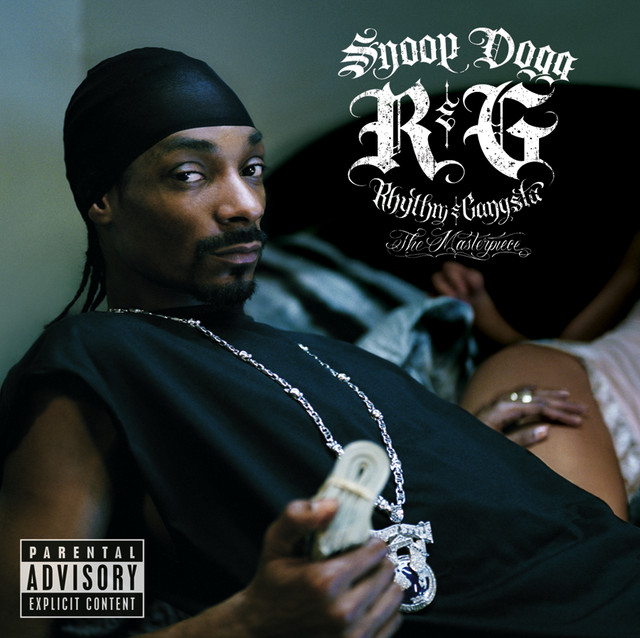
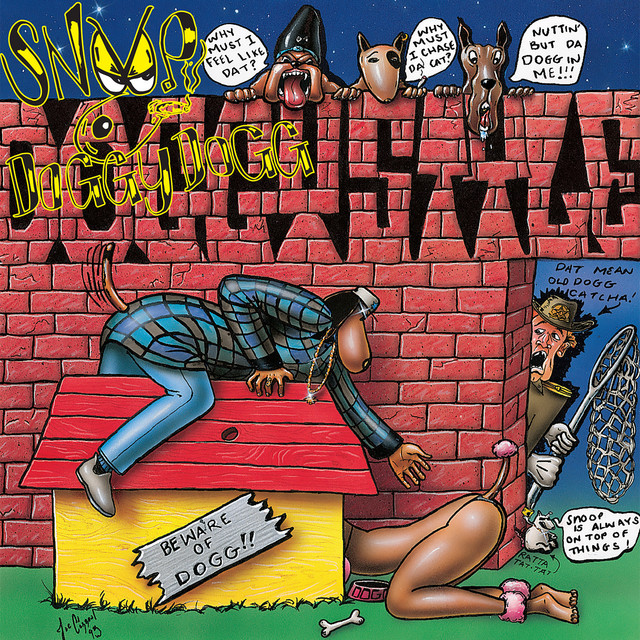
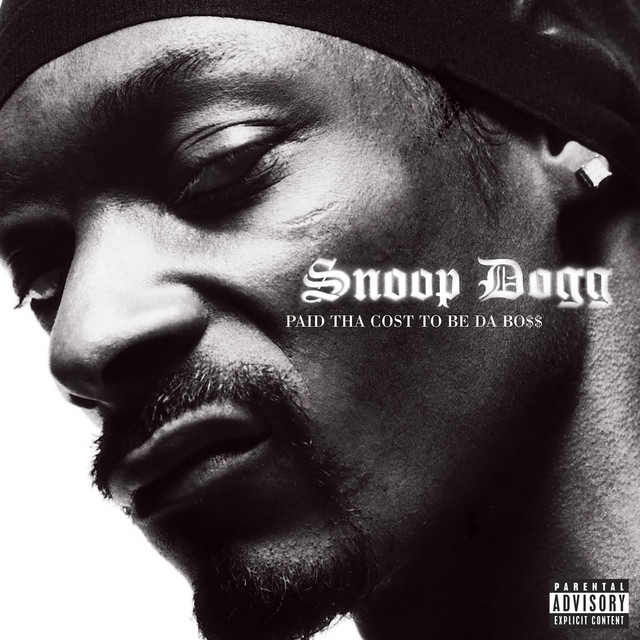
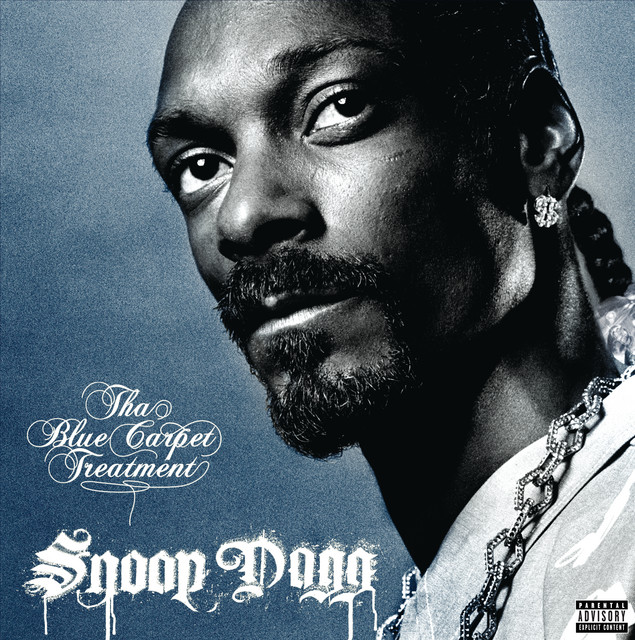
Snoop Dogg is a rapper and cultural figure from Long Beach, California who emerged as a central figure in West Coast hip-hop during the 1990s. Known for his laid-back delivery and collaborations with producers like Dr. Dre, he has maintained a presence across music, television, and entertainment over several decades.
Compare with another artistPlan a set with Snoop Dogg tracks scored against the rest of the catalog
Snoop Dogg is a moderate-energy and a balanced bright/warm production — mostly instrumental artist.
Sits right in the typical Trap / Future Bass pocket.
Across 37 analysed tracks, Snoop Dogg averages 48% energy — gentler than 78% of individual Trap / Future Bass tracks — and 53% groove, groovier than 75%.
Measured against 8,278 Trap / Future Bass tracks on 11 August 2026.
Most tracks sit between 67–164 BPM with a median of 101 · predominantly minor keys (65% minor) · most common key: 9A (E Minor) with 5 tracks.
How Snoop Dogg’s production has shifted across their catalog. The radar overlays earlier and recent eras as one shape, the year-by-year chart shows every metric move, and the tempo trend tracks the BPM migration against the typical Trap / Future Bass tempo.
Across Snoop Dogg's catalog, tempos have climbed from ~99 to ~110 BPM; energy has lifted; warmth has receded.
Missing one of theirs?
We'll add it — the artist is already in the catalogue, so it lands fast
We scored every transition between Snoop Dogg’s 37 analysed tracks and every track by 12,460 other artists. 195 catalogues clear the bar — a transition counts at 80 chemistry or above, the same number you’ll see on any track page. The 8 with the widest margin over chance are below.
Chance is measured, not assumed: 0.573% of transitions between two randomly drawn tracks by different artists in this catalogue reach 80. Listed alphabetically — the set is reproducible, the order inside it is not.
25 of the 592 transitions between these catalogues reach 80 chemistry. Chance would give 3.4. They come from 11 different Snoop Dogg tracks.
Gin and Juice → Work It (feat. 50 Cent) · 4A → 5A · +7 BPM · 89 chemistry
29 of the 1,480 transitions between these catalogues reach 80 chemistry. Chance would give 8.5. They come from 16 different Snoop Dogg tracks.
2 Of Amerikaz Most Wanted → Ayo · 2A → 2B · −1 BPM · 91 chemistry
28 of the 1,480 transitions between these catalogues reach 80 chemistry. Chance would give 8.5. They come from 4 different Snoop Dogg tracks.
Let Me Hit It (feat. Snoop Dogg) - Federico Scavo & GloVibes Remix → High · 8A → 9A · +2 BPM · 86 chemistry
26 of the 1,073 transitions between these catalogues reach 80 chemistry. Chance would give 6.2. They come from 7 different Snoop Dogg tracks.
28 of the 888 transitions between these catalogues reach 80 chemistry. Chance would give 5.1. They come from 16 different Snoop Dogg tracks.
Beautiful → Frontin' - Radio Mix · 9A → 9B · +1 BPM · 90 chemistry
22 of the 1,110 transitions between these catalogues reach 80 chemistry. Chance would give 6.4. They come from 10 different Snoop Dogg tracks.
BOW DOWN (feat. CRAZYBOY) - Extended Mix → Go DJ · 9A → 9A · −2 BPM · 89 chemistry
25 of the 1,184 transitions between these catalogues reach 80 chemistry. Chance would give 6.8. They come from 8 different Snoop Dogg tracks.
BOW DOWN (feat. CRAZYBOY) - Extended Mix → Stick Up · 9A → 9A · same BPM · 90 chemistry
31 of the 1,480 transitions between these catalogues reach 80 chemistry. Chance would give 8.5. They come from 12 different Snoop Dogg tracks.
Chemistry weighs harmonic, rhythmic, energy, groove, mood and vocal compatibility. Tempos are as analysed from the recording — where a genre is habitually detected an octave down, this is how we handle it. Different measurement from the audience-overlap list further down the page.
DJs and producers closest to Snoop Dogg by audience overlap — the artists their listeners also play. It’s a taste signal, not a measured key-and-tempo match: good for shortlisting crates when you’re prepping a set around Snoop Dogg, then check the chemistry on the pair you actually mix. Eligible names link to their own page.
Similarity data from Last.fm. BPM, key and energy on this page are measured from the recordings in our catalog.
Snoop Dogg's tracks in our catalog range from 67 to 164 BPM, with a median of 101 BPM. Across 37 tracks, the most common range falls in the 100–105 BPM bucket.
Snoop Dogg's tracks are mostly in minor keys (65% minor across 37 tracks). The most common single key is 9A (E Minor) with 5 tracks.
We scored every transition between Snoop Dogg's 37 analysed tracks and every track by 12,460 other artists. 195 catalogues clear the bar by more than chance would give, and 50 Cent, Chris Brown, Daniel Steinberg are three of them — listed alphabetically, because the set is reproducible and the order inside it is not. A transition counts at 80 chemistry or above, the same number shown on a track page. One measured example: Gin and Juice into Work It (feat. 50 Cent), 4A to 5A, 89 chemistry.
Snoop Dogg sits closest to Tha Dogg Pound, Dr. Dre, Ice Cube in our catalog. That ranking is audience overlap — the artists their listeners also play — rather than a measured key-and-tempo match, so treat it as a shortlist worth digging through, not a promise that any two tracks will beatmatch. The full list, with track counts, is in the Related artists section above.
Our catalog has Snoop Dogg releases spanning 1994 to 2025, with the most tracks from the 2010s.