Artist profile
Dr. Dre is a hip-hop producer and rapper from Compton, California, known for his work with N.W.A and his influential solo albums that shaped West Coast rap in the 1990s. He is recognized for his production techniques and his role in launching the careers of numerous artists through his Aftermath Entertainment label.
Compare with another artistPlan a set with Dr. Dre tracks scored against the rest of the catalog
Dr. Dre is a moderate-energy with strong groove and a balanced bright/warm production — mostly instrumental artist.
Unusually low drive for Hip-Hop.
Across 10 analysed tracks, Dr. Dre averages 41% energy — gentler than 76% of individual Hip-Hop tracks — and 61% groove, groovier than 76%.
Measured against 873 Hip-Hop tracks on 11 August 2026.
How Dr. Dre’s production has shifted across their catalog. The radar overlays earlier and recent eras as one shape, the year-by-year chart shows every metric move, and the tempo trend tracks the BPM migration against the typical Hip-Hop tempo.
Across Dr. Dre's catalog, production has darkened; warmth has lifted; groove has deepened.
Missing one of theirs?
We'll add it — the artist is already in the catalogue, so it lands fast
We scored every transition between Dr. Dre’s 10 analysed tracks and every track by 12,460 other artists. 10 catalogues clear the bar — a transition counts at 80 chemistry or above, the same number you’ll see on any track page. The 8 with the widest margin over chance are below.
Chance is measured, not assumed: 0.573% of transitions between two randomly drawn tracks by different artists in this catalogue reach 80. Listed alphabetically — the set is reproducible, the order inside it is not.
27 of the 160 transitions between these catalogues reach 80 chemistry. Chance would give 0.9. They come from 9 different Dr. Dre tracks.
Still D.R.E. → Candy Shop · 3A → 2B · +4 BPM · 90 chemistry
12 of the 100 transitions between these catalogues reach 80 chemistry. Chance would give 0.6. They come from 7 different Dr. Dre tracks.
California Love - Original Version → Mesmerize · 6A → 5B · −2 BPM · 86 chemistry
11 of the 400 transitions between these catalogues reach 80 chemistry. Chance would give 2.3. They come from 6 different Dr. Dre tracks.
Still D.R.E. → Ayo · 3A → 2B · +4 BPM · 85 chemistry
15 of the 400 transitions between these catalogues reach 80 chemistry. Chance would give 2.3. They come from 7 different Dr. Dre tracks.
The Next Episode → RUMBATÓN · 2A → 2A · same BPM · 84 chemistry
12 of the 160 transitions between these catalogues reach 80 chemistry. Chance would give 0.9. They come from 6 different Dr. Dre tracks.
Still D.R.E. → No Role Modelz · 3A → 4A · +6 BPM · 85 chemistry
11 of the 390 transitions between these catalogues reach 80 chemistry. Chance would give 2.2. They come from 6 different Dr. Dre tracks.
The Next Episode - Instrumental → Jesus Walks · 2A → 2A · −7 BPM · 86 chemistry
12 of the 320 transitions between these catalogues reach 80 chemistry. Chance would give 1.8. They come from 7 different Dr. Dre tracks.
Still D.R.E. → Red Ruby Da Sleeze · 3A → 2A · +5 BPM · 82 chemistry
12 of the 370 transitions between these catalogues reach 80 chemistry. Chance would give 2.1. They come from 6 different Dr. Dre tracks.
The Next Episode - Instrumental → Welcome To Atlanta - Coast 2 Coast Radio Remix · 2A → 2A · +1 BPM · 90 chemistry
Chemistry weighs harmonic, rhythmic, energy, groove, mood and vocal compatibility. Tempos are as analysed from the recording — where a genre is habitually detected an octave down, this is how we handle it. Different measurement from the audience-overlap list further down the page.
DJs and producers closest to Dr. Dre by audience overlap — the artists their listeners also play. It’s a taste signal, not a measured key-and-tempo match: good for shortlisting crates when you’re prepping a set around Dr. Dre, then check the chemistry on the pair you actually mix. Eligible names link to their own page.
Similarity data from Last.fm. BPM, key and energy on this page are measured from the recordings in our catalog.
Dr. Dre's tracks in our catalog range from 84 to 134 BPM, with a median of 94 BPM. Across 10 tracks, the most common range falls in the 95–100 BPM bucket.
Dr. Dre's tracks are mostly in minor keys (100% minor across 10 tracks). The most common single key is 5A (C Minor) with 2 tracks.
We scored every transition between Dr. Dre's 10 analysed tracks and every track by 12,460 other artists. 10 catalogues clear the bar by more than chance would give, and 50 Cent, Ashanti, Chris Brown are three of them — listed alphabetically, because the set is reproducible and the order inside it is not. A transition counts at 80 chemistry or above, the same number shown on a track page. One measured example: Still D.R.E. into Candy Shop, 3A to 2B, 90 chemistry.
Dr. Dre sits closest to Snoop Dogg, The Notorious B.I.G., Ice Cube in our catalog. That ranking is audience overlap — the artists their listeners also play — rather than a measured key-and-tempo match, so treat it as a shortlist worth digging through, not a promise that any two tracks will beatmatch. The full list, with track counts, is in the Related artists section above.
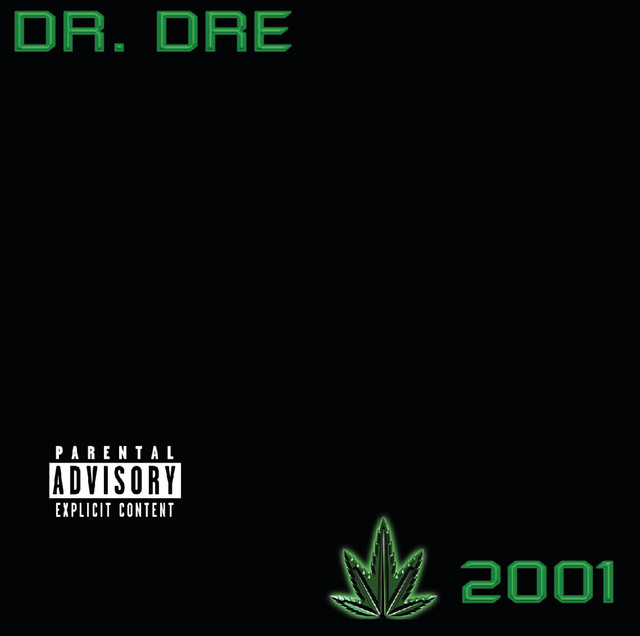
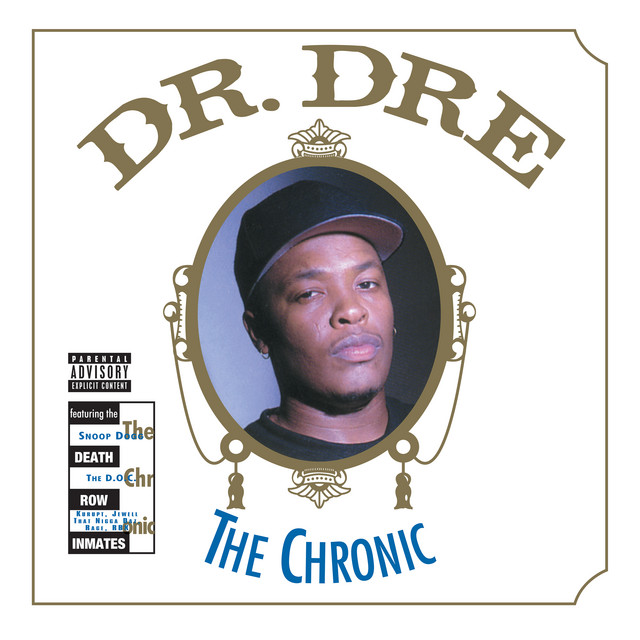
Our catalog has Dr. Dre releases spanning 1992 to 1999, with the most tracks from the 1990s.