Artist profile
Craig David is a British garage and R&B artist who emerged in the early 2000s with a distinctive blend of UK garage production and smooth vocal delivery. Known for his rapid-fire lyrical style and collaborations within the garage scene, David built a substantial following across electronic and urban music communities. His work spans garage, grime-adjacent production, and contemporary electronic styles.
Compare with another artistPlan a set with Craig David tracks scored against the rest of the catalog
Craig David is a moderate-energy and a balanced bright/warm production — mostly instrumental artist.
Unusually high warmth for Trap / Future Bass.
Across 17 analysed tracks, Craig David averages 58% groove — groovier than 82% of individual Trap / Future Bass tracks — and 52% energy, gentler than 68%.
Measured against 8,278 Trap / Future Bass tracks on 11 August 2026.
Most tracks sit between 70–150 BPM with a median of 125 · predominantly minor keys (59% minor) · most common key: 8A (A Minor) with 3 tracks.
How Craig David’s production has shifted across their catalog. The radar overlays earlier and recent eras as one shape, the year-by-year chart shows every metric move, and the tempo trend tracks the BPM migration against the typical Trap / Future Bass tempo.
Across Craig David's catalog, warmth has receded; groove has deepened; tempos have climbed from ~112 to ~123 BPM.
Missing one of theirs?
We'll add it — the artist is already in the catalogue, so it lands fast
We scored every transition between Craig David’s 17 analysed tracks and every track by 12,460 other artists. 32 catalogues clear the bar — a transition counts at 80 chemistry or above, the same number you’ll see on any track page. The 8 with the widest margin over chance are below.
Chance is measured, not assumed: 0.573% of transitions between two randomly drawn tracks by different artists in this catalogue reach 80. Listed alphabetically — the set is reproducible, the order inside it is not.
16 of the 680 transitions between these catalogues reach 80 chemistry. Chance would give 3.9. They come from 9 different Craig David tracks.
What's Your Flava? - Radio Edit → Post to Be (feat. Chris Brown & Jhene Aiko) · 4A → 4B · −11 BPM · 86 chemistry
16 of the 680 transitions between these catalogues reach 80 chemistry. Chance would give 3.9. They come from 10 different Craig David tracks.
17 of the 680 transitions between these catalogues reach 80 chemistry. Chance would give 3.9. They come from 3 different Craig David tracks.
Wake Up → I Can't Stay - Edit · 8A → 9A · −2 BPM · 89 chemistry
13 of the 680 transitions between these catalogues reach 80 chemistry. Chance would give 3.9. They come from 7 different Craig David tracks.
When You Know What Love Is - R&B Remix → Keep To Myself · 10B → 9B · −8 BPM · 84 chemistry
13 of the 680 transitions between these catalogues reach 80 chemistry. Chance would give 3.9. They come from 3 different Craig David tracks.
One More Time → Electric Dreams · 8A → 8A · −1 BPM · 89 chemistry
13 of the 374 transitions between these catalogues reach 80 chemistry. Chance would give 2.1. They come from 7 different Craig David tracks.
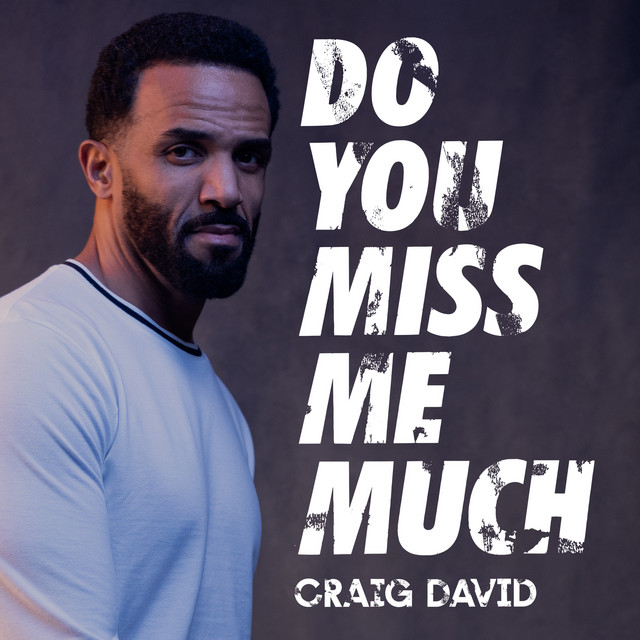
Do You Miss Me Much → Cavern - UNKWN Remix · 10B → 10B · +9 BPM · 85 chemistry
13 of the 578 transitions between these catalogues reach 80 chemistry. Chance would give 3.3. They come from 4 different Craig David tracks.
Wake Up → Temptation · 8A → 8A · same BPM · 91 chemistry
11 of the 323 transitions between these catalogues reach 80 chemistry. Chance would give 1.9. They come from 5 different Craig David tracks.
Chemistry weighs harmonic, rhythmic, energy, groove, mood and vocal compatibility. Tempos are as analysed from the recording — where a genre is habitually detected an octave down, this is how we handle it. Different measurement from the audience-overlap list further down the page.
DJs and producers closest to Craig David by audience overlap — the artists their listeners also play. It’s a taste signal, not a measured key-and-tempo match: good for shortlisting crates when you’re prepping a set around Craig David, then check the chemistry on the pair you actually mix. Eligible names link to their own page.
Similarity data from Last.fm. BPM, key and energy on this page are measured from the recordings in our catalog.
Craig David's tracks in our catalog range from 70 to 150 BPM, with a median of 125 BPM. Across 17 tracks, the most common range falls in the 125–130 BPM bucket.
Craig David's tracks are mostly in minor keys (59% minor across 17 tracks). The most common single key is 8A (A Minor) with 3 tracks.
We scored every transition between Craig David's 17 analysed tracks and every track by 12,460 other artists. 32 catalogues clear the bar by more than chance would give, and Chris Brown, DJ Fixx, DJ Q are three of them — listed alphabetically, because the set is reproducible and the order inside it is not. A transition counts at 80 chemistry or above, the same number shown on a track page. One measured example: What's Your Flava? - Radio Edit into Post to Be (feat. Chris Brown & Jhene Aiko), 4A to 4B, 86 chemistry.
Craig David sits closest to Blue, Shola Ama, Usher in our catalog. That ranking is audience overlap — the artists their listeners also play — rather than a measured key-and-tempo match, so treat it as a shortlist worth digging through, not a promise that any two tracks will beatmatch. The full list, with track counts, is in the Related artists section above.
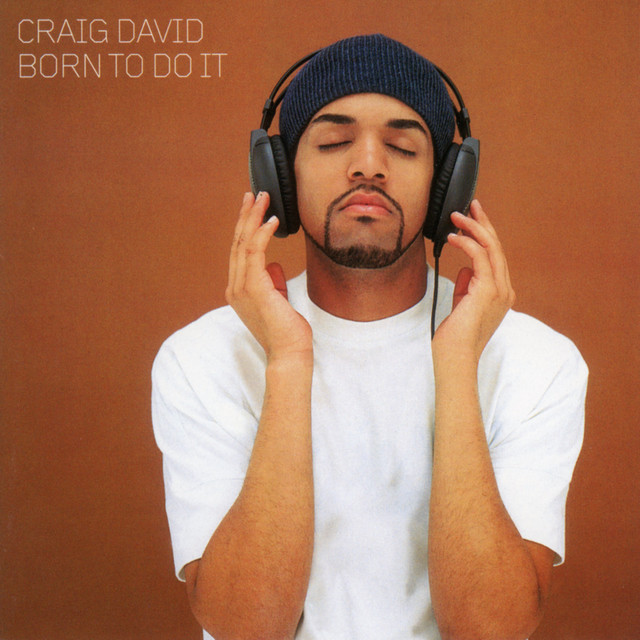
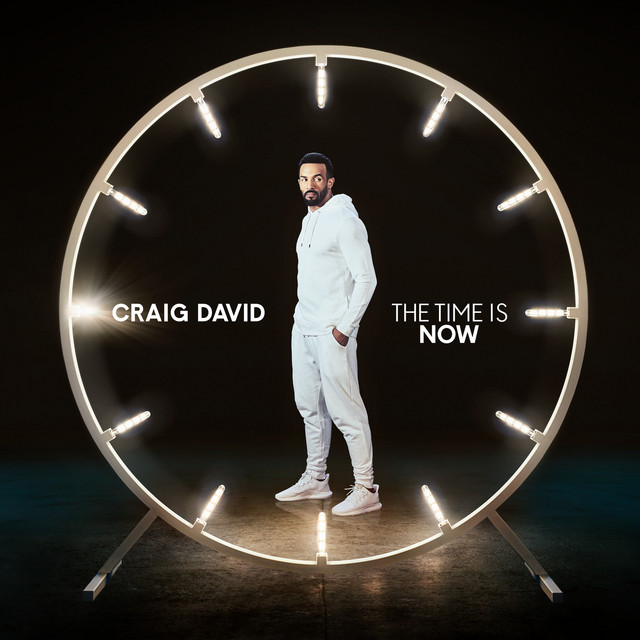
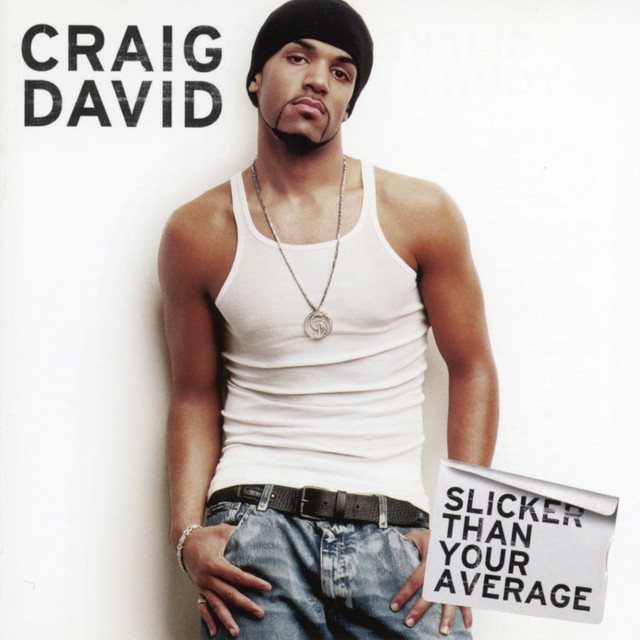
Our catalog has Craig David releases spanning 2000 to 2022, with the most tracks from the 2010s.