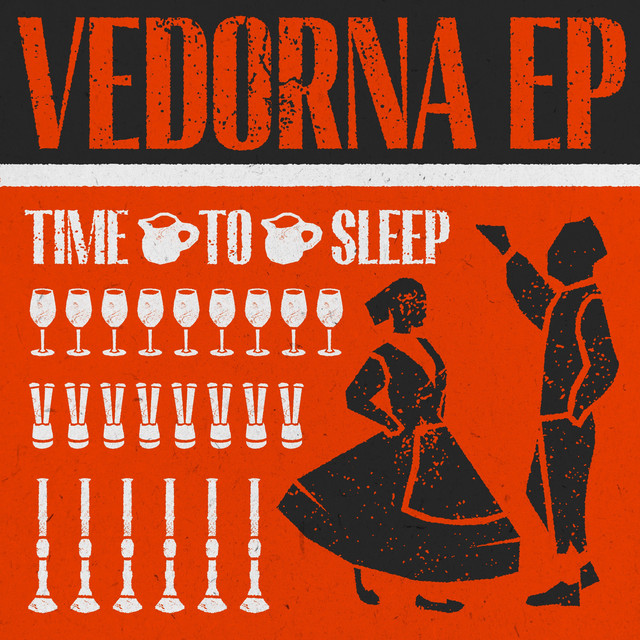
Artist profile
Time To Sleep is an indie dance artist working in electronic and rhythmic pop-influenced territory. Their sound blends minimalist production with accessible melodic sensibilities, positioning them within contemporary independent dance circles.
Compare with another artistPlan a set with Time To Sleep tracks scored against the rest of the catalog
Time To Sleep is a restrained with strong groove artist.
Sits right in the typical Indie Dance pocket.
Across 5 analysed tracks, Time To Sleep averages 37% energy — gentler than 86% of individual Indie Dance tracks — and 87% groove, groovier than 60%.
Measured against 16,726 Indie Dance tracks on 11 August 2026.
Missing one of theirs?
We'll add it — the artist is already in the catalogue, so it lands fast
DJs and producers closest to Time To Sleep by audience overlap — the artists their listeners also play. It’s a taste signal, not a measured key-and-tempo match: good for shortlisting crates when you’re prepping a set around Time To Sleep, then check the chemistry on the pair you actually mix. Eligible names link to their own page.
Similarity data from Last.fm. BPM, key and energy on this page are measured from the recordings in our catalog.
Time To Sleep's tracks in our catalog range from 114 to 118 BPM, with a median of 116 BPM. Across 5 tracks, the most common range falls in the 115–120 BPM bucket.
Time To Sleep's tracks are mostly in major keys (20% minor across 5 tracks). The most common single key is 10B (D Major) with 2 tracks.
Time To Sleep sits closest to Club Tularosa, TERR, Rigopolar in our catalog. That ranking is audience overlap — the artists their listeners also play — rather than a measured key-and-tempo match, so treat it as a shortlist worth digging through, not a promise that any two tracks will beatmatch. The full list, with track counts, is in the Related artists section above.