Artist profile
M-Theory is a psy-trance producer working within the deeper, more hypnotic end of the genre. Their work emphasizes intricate layering and sustained atmospheric tension characteristic of the psychedelic trance sound.
Compare with another artistDJ terms on this page: Chemistry · Extended mix · Remix · VIP · Full glossary
Plan a set with M-Theory tracks scored against the rest of the catalog
M-Theory is a moderate-energy with strong groove and drive artist.
Sits right in the typical Psy-Trance pocket.
Across 11 analysed tracks, M-Theory averages 83% groove — groovier than 70% of individual Psy-Trance tracks — and 57% energy, gentler than 66%.
Measured against 15,751 Psy-Trance tracks on 11 August 2026.
Missing one of theirs?
We'll add it — the artist is already in the catalogue, so it lands fast
We scored every transition between M-Theory’s 11 analysed tracks and every track by 12,460 other artists. 323 catalogues clear the bar — a transition counts at 80 chemistry or above, the same number you’ll see on any track page. The 8 with the widest margin over chance are below.
Chance is measured, not assumed: 0.573% of transitions between two randomly drawn tracks by different artists in this catalogue reach 80. Listed alphabetically — the set is reproducible, the order inside it is not.
99 of the 440 transitions between these catalogues reach 80 chemistry. Chance would give 2.5. They come from 10 different M-Theory tracks.
Tic Toc → Neuron Twister · 5B → 5B · −1 BPM · 92 chemistry
91 of the 440 transitions between these catalogues reach 80 chemistry. Chance would give 2.5. They come from 10 different M-Theory tracks.
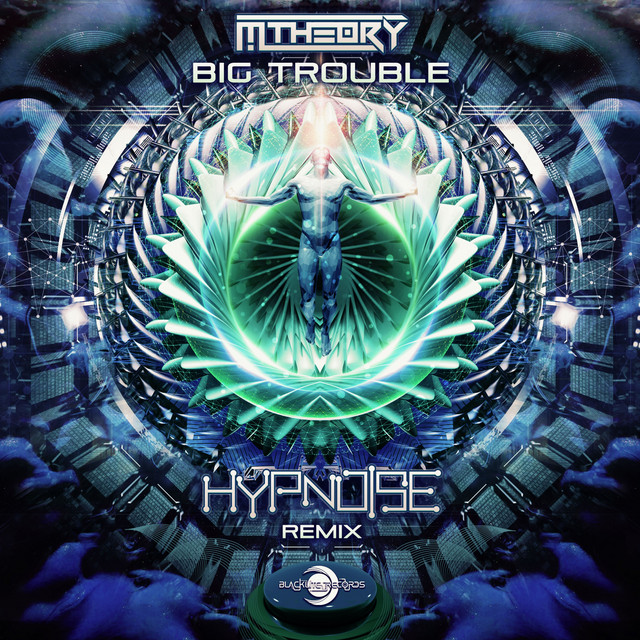
Big Trouble - Hypnoise Remix → Burning Out · 4B → 4B · same BPM · 93 chemistry
90 of the 440 transitions between these catalogues reach 80 chemistry. Chance would give 2.5. They come from 10 different M-Theory tracks.
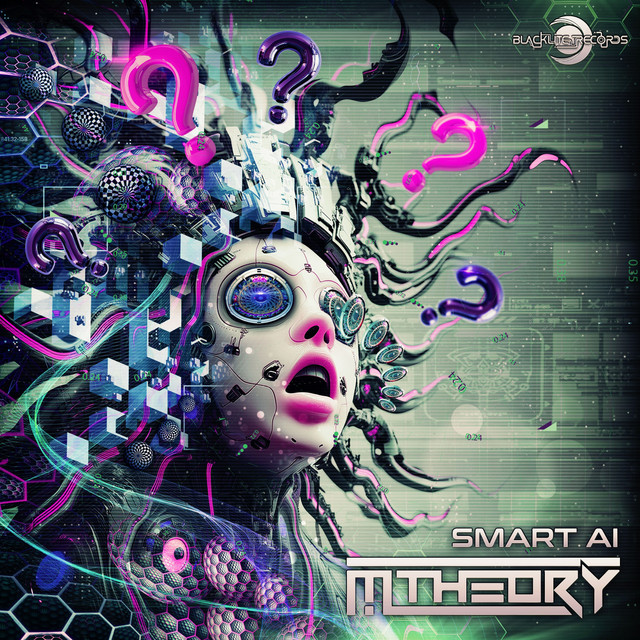
Smart Ai → Triplanetary · 9B → 9B · +1 BPM · 92 chemistry
92 of the 341 transitions between these catalogues reach 80 chemistry. Chance would give 2.0. They come from 10 different M-Theory tracks.
Big Trouble - Hypnoise Remix → Patterns · 4B → 4B · same BPM · 93 chemistry
94 of the 440 transitions between these catalogues reach 80 chemistry. Chance would give 2.5. They come from 10 different M-Theory tracks.
Are you a DJ ? → Deeper Self · 2B → 1B · −1 BPM · 92 chemistry
84 of the 418 transitions between these catalogues reach 80 chemistry. Chance would give 2.4. They come from 10 different M-Theory tracks.
Are you a DJ ? → Just A Dab · 2B → 2B · −1 BPM · 93 chemistry
93 of the 440 transitions between these catalogues reach 80 chemistry. Chance would give 2.5. They come from 10 different M-Theory tracks.
Knights of London → Insane · 7B → 7B · same BPM · 92 chemistry
94 of the 440 transitions between these catalogues reach 80 chemistry. Chance would give 2.5. They come from 10 different M-Theory tracks.
Big Trouble → All Things Considered · 4B → 4B · −2 BPM · 91 chemistry
Chemistry weighs harmonic, rhythmic, energy, groove, mood and vocal compatibility. Tempos are as analysed from the recording — where a genre is habitually detected an octave down, this is how we handle it. Different measurement from the audience-overlap list further down the page.
DJs and producers closest to M-Theory by audience overlap — the artists their listeners also play. It’s a taste signal, not a measured key-and-tempo match: good for shortlisting crates when you’re prepping a set around M-Theory, then check the chemistry on the pair you actually mix. Eligible names link to their own page.
Similarity data from Last.fm. BPM, key and energy on this page are measured from the recordings in our catalog.
M-Theory's tracks in our catalog range from 72 to 148 BPM, with a median of 145 BPM. Across 11 tracks, the most common range falls in the 145–150 BPM bucket.
M-Theory's tracks are mostly in major keys (18% minor across 11 tracks). The most common single key is 5B (E♭ Major) with 2 tracks.
We scored every transition between M-Theory's 11 analysed tracks and every track by 12,460 other artists. 323 catalogues clear the bar by more than chance would give, and Braincell, Burn In Noise, Earthspace are three of them — listed alphabetically, because the set is reproducible and the order inside it is not. A transition counts at 80 chemistry or above, the same number shown on a track page. One measured example: Tic Toc into Neuron Twister, 5B to 5B, 92 chemistry.
M-Theory sits closest to The Commercial Hippies, Twenty Eight, The First Stone in our catalog. That ranking is audience overlap — the artists their listeners also play — rather than a measured key-and-tempo match, so treat it as a shortlist worth digging through, not a promise that any two tracks will beatmatch. The full list, with track counts, is in the Related artists section above.
Our catalog has M-Theory releases spanning 2014 to 2023, with the most tracks from the 2020s.