Artist profile
Backstreet Boys is an American pop boy band that rose to prominence in the 1990s with a catalog of pop and dance-pop hits. Known for their harmonized vocals and choreographed performances, the group became one of the defining acts of the late-'90s pop landscape.
Compare with another artistPlan a set with Backstreet Boys tracks scored against the rest of the catalog
Backstreet Boys is a moderate-energy with strong groove and a balanced bright/warm production — mostly instrumental artist.
Sits right in the typical Pop pocket.
Across 3 analysed tracks, Backstreet Boys averages 42% energy — gentler than 65% of individual Pop tracks.
Measured against 1,071 Pop tracks on 11 August 2026.
Missing one of theirs?
We'll add it — the artist is already in the catalogue, so it lands fast
DJs and producers closest to Backstreet Boys by audience overlap — the artists their listeners also play. It’s a taste signal, not a measured key-and-tempo match: good for shortlisting crates when you’re prepping a set around Backstreet Boys, then check the chemistry on the pair you actually mix. Eligible names link to their own page.
Similarity data from Last.fm. BPM, key and energy on this page are measured from the recordings in our catalog.
Backstreet Boys's tracks in our catalog range from 98 to 108 BPM, with a median of 99 BPM. Across 3 tracks, the most common range falls in the 100–105 BPM bucket.
Backstreet Boys's tracks are mostly in minor keys (67% minor across 3 tracks). The most common single key is 3A (B♭ Minor) with 1 track.
Backstreet Boys sits closest to *NSYNC, Nick Carter, Westlife in our catalog. That ranking is audience overlap — the artists their listeners also play — rather than a measured key-and-tempo match, so treat it as a shortlist worth digging through, not a promise that any two tracks will beatmatch. The full list, with track counts, is in the Related artists section above.
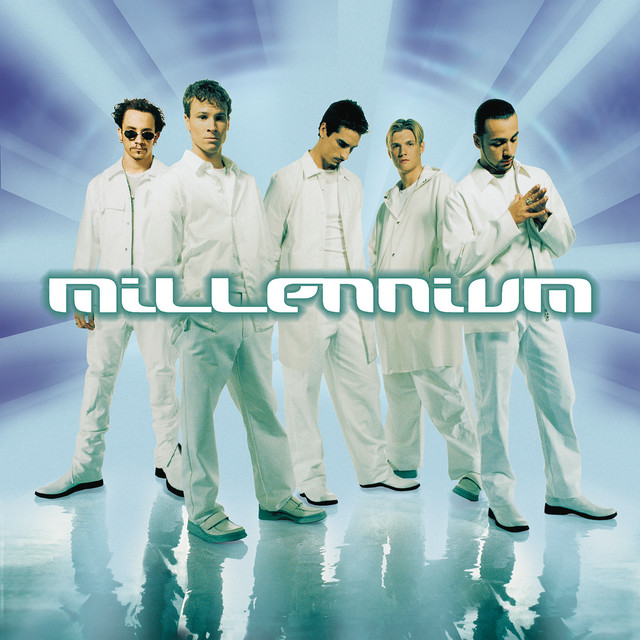
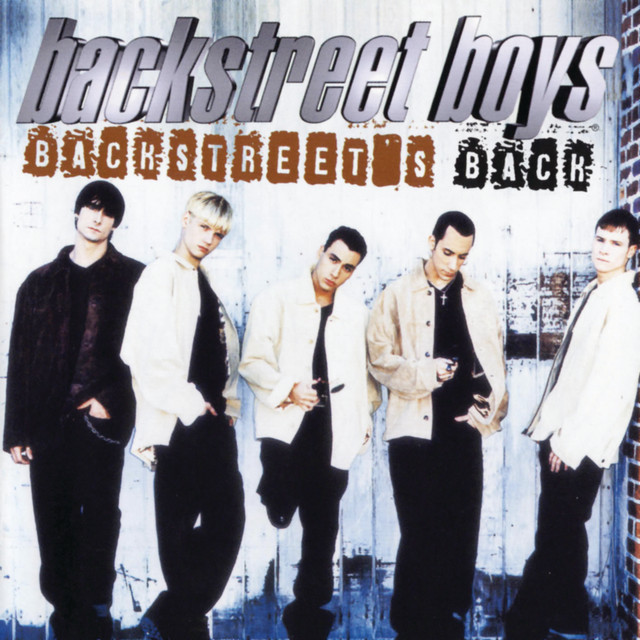
Our catalog has Backstreet Boys releases spanning 1996 to 1999, with the most tracks from the 1990s.