Artist profile

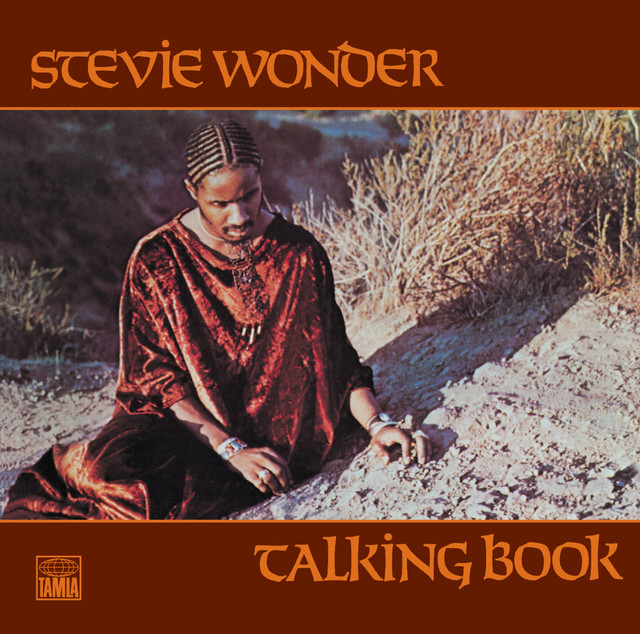
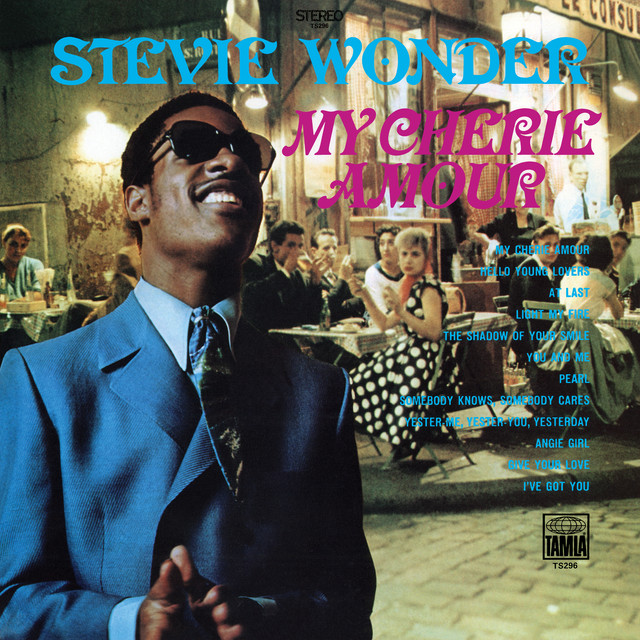
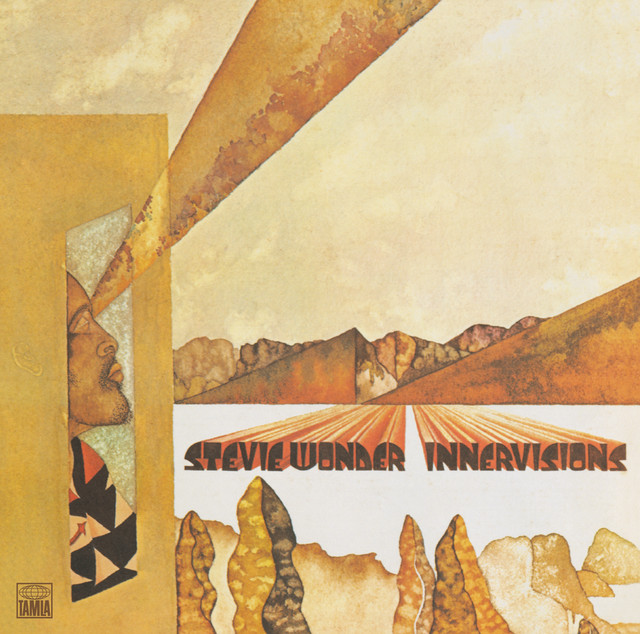
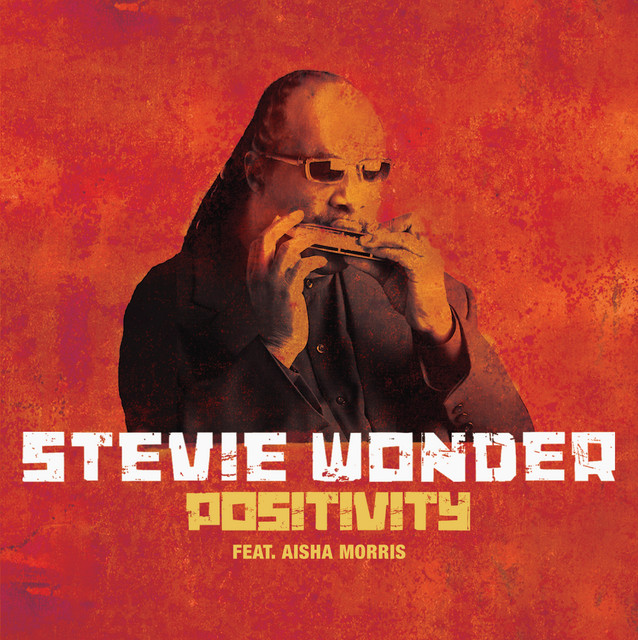
Stevie Wonder

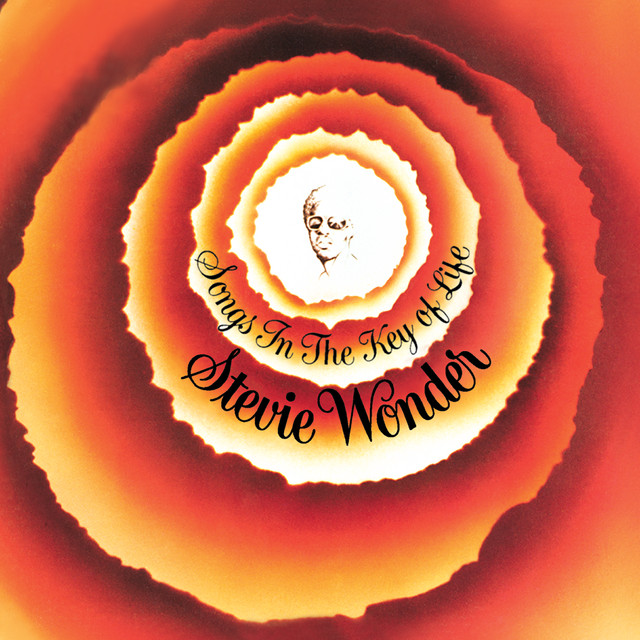
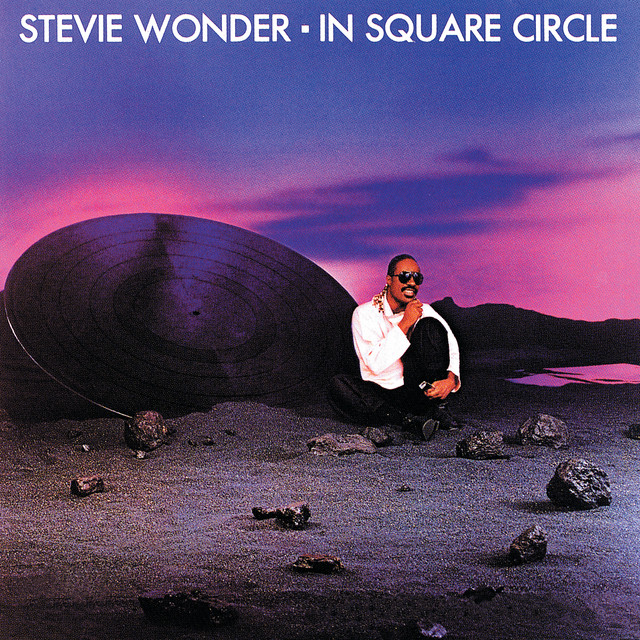
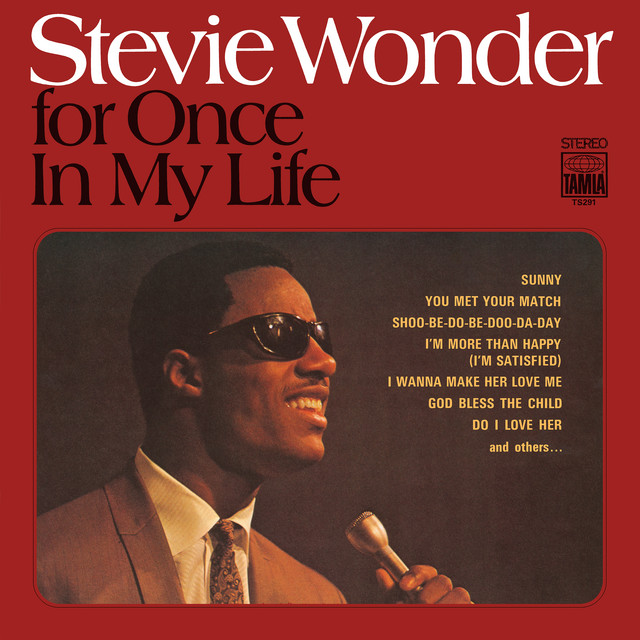
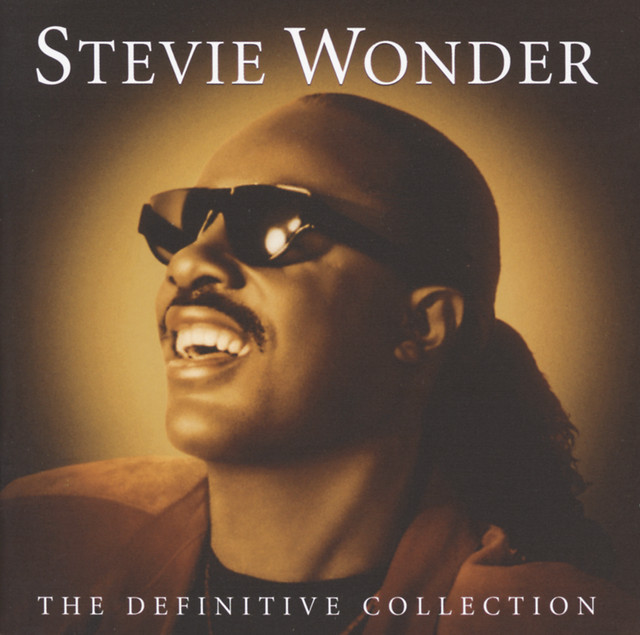
Stevie Wonder is an R&B and soul musician and multi-instrumentalist known for his work as a singer, songwriter, and producer. His catalog spans decades of influential recordings that helped define the sound of soul and R&B music.

9 tracksR&BTrap / Future Bass· 1970–1982

Sound profile

EnergyDriveGrooveBrightnessWarmthVocal

Stevie Wonder is a restrained with strong groove and a balanced bright/warm production artist.

Key & BPM profile

Most tracks sit between 66–122 BPM with a median of 108 · predominantly major keys (33% minor) · most common key: 1B (B Major) with 2 tracks.

BPM spread
65–69
1
95–99
1
100–104
1
105–109
2
110–114
1
115–119
2
120–124
1
Key distribution

Tracks in catalog

9 total · sortable
Sir Duke
Sir Duke
Stevie Wonder
1041B
R&B
Isn't She Lovely
Isn't She Lovely
Stevie Wonder
11912B
R&B
Superstition
Superstition
Stevie Wonder
995B
R&B
I Wish
I Wish
Stevie Wonder
1063B
R&B
Do I Do
Do I Do
Stevie Wonder
1131B
Trap / Future Bass
Another Star
Another Star
Stevie Wonder
12212A
R&B
Signed, Sealed, Delivered (I'm Yours)
Stevie Wonder
1087B
R&B
Happy Birthday
Happy Birthday
Stevie Wonder
1164A
R&B
Master Blaster (Jammin') - 12" Version
Stevie Wonder
665A
Trap / Future Bass

Sound profile evolution

How Stevie Wonder’s production has shifted across their catalog. The radar overlays earlier and recent eras as one shape, the year-by-year chart shows every metric move, and the tempo trend tracks the BPM migration.

Sound profile shift
EnergyDriveGrooveBrightnessWarmthVocal
1970–1976·6 tracks
1977–1982·3 tracks
Year-by-year sound · scale 0–100
Hover for exact values · click any metric to toggle
Tempo migration · yearly average
What changed

Across Stevie Wonder's catalog, groove has deepened; tempos have climbed from ~108 to ~113 BPM.

Release volume by decade

6
1970s
3
1980s

Related artists

Top 15 by similarity

DJs and producers whose tracks blend naturally with Stevie Wonder’s — similar scenes, adjacent production styles, overlapping audiences. Useful when you’re prepping a set around Stevie Wonder and need adjacent tracks that won’t feel out of place. Eligible names link to their own page.

Marvin Gaye
100%
8 tracks in catalog · R&B
Donny Hathaway
72%
Not in our catalog yet
Earth, Wind & Fire
62%
5 tracks in catalog · R&B
The Jackson 5
59%
Not in our catalog yet
The Isley Brothers
56%
Not in our catalog yet
Prince
55%
25 tracks in catalog · Dance
Al Green
50%
Not in our catalog yet
Curtis Mayfield
49%
3 tracks in catalog · R&B
D'Angelo
49%
2 tracks in catalog · R&B · no artist page yet
Prince & The Revolution
48%
1 track in catalog · Dance · no artist page yet
RUFUS
45%
3 tracks in catalog · Jackin House
Luther Vandross
43%
2 tracks in catalog · R&B · no artist page yet
The Jacksons
42%
1 track in catalog · Dance · no artist page yet
Sly & The Family Stone
41%
Not in our catalog yet
Bill Withers
41%
3 tracks in catalog · R&B

FAQ

What BPM does Stevie Wonder play at?

Stevie Wonder's tracks in our catalog range from 66 to 122 BPM, with a median of 108 BPM. Across 9 tracks, the most common range falls in the 110–115 BPM bucket.

What key are Stevie Wonder's tracks in?

Stevie Wonder's tracks are mostly in major keys (33% minor across 9 tracks). The most common single key is 1B (B Major) with 2 tracks.

What artists mix well with Stevie Wonder?

Based on harmonic compatibility, tempo proximity and artist-cohort context, Stevie Wonder pairs well with Marvin Gaye, Donny Hathaway, Earth, Wind & Fire. The full list — with track counts in our catalog and similarity scores — is in the Related Artists section above.

When was Stevie Wonder most active?

Our catalog has Stevie Wonder releases spanning 1970 to 1982, with the most tracks from the 1970s.

Keep exploring

Plan a set with Stevie Wonder tracks scored against the rest of the catalog

Stevie Wonder on Mixgraph

Mixgraph for iOS — chemistry-scored DJ planning.

Download on the App StoreGet it on Google Play