Example transitions from the catalog
Top chemistry-scored pairs where the outgoing track is in 10B and the incoming is in 1B. Evaluated 1,600 candidate pairs.


87%Three Steps Up

luther
Kendrick Lamar
13810B

Right Now (Na Na Na)
Akon
1381B
BPM0
Energy=
No pitch needed — BPMs match87%Three Steps Up

Sunflower - Spider-Man: Into the Spider-Verse
Swae Lee
9010B

Copines
Aya Nakamura
901B
BPM0
Energy=
No pitch needed — BPMs match87%Three Steps Up

You Get What You Give
New Radicals
11410B

Ama hem hem
Sjava
1131B
BPM±1.0
Energy=
Pitch ±1.0 BPM87%Three Steps Up

Down
Lil Wayne
13210B
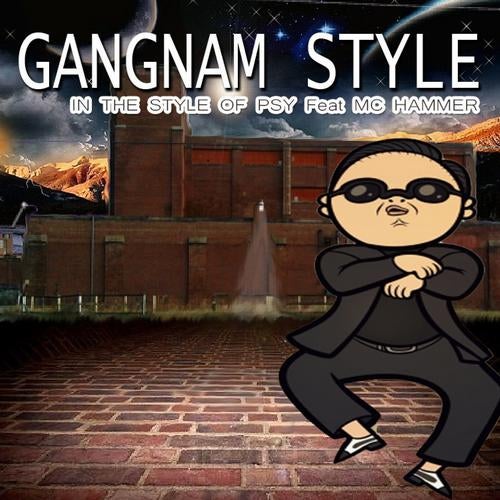
Gangnam Style
Gangnam Style
1321B
BPM0
Energy=
No pitch needed — BPMs match86%Three Steps Up

LV Sandals
fakemink
9510B

Hey Daddy (Daddy's Home)
Usher
961B
BPM±1.0
Energy±5%
Pitch ±1.0 BPM

86%Three Steps Up

Better Than Yours
YoungBoy Never Broke Again
13310B

30 For 30
Kendrick Lamar
1341B
BPM±1.0
Energy±6%
Pitch ±1.0 BPM